In The Civics Game, you move from Student to Citizen to local leadership roles like Council Member or Mayor as you build your classroom city.
The Game Flow explains how your choices, activities, and achievements unlock new opportunities. Use this as a guide to see what’s ahead and how your actions shape your experience.
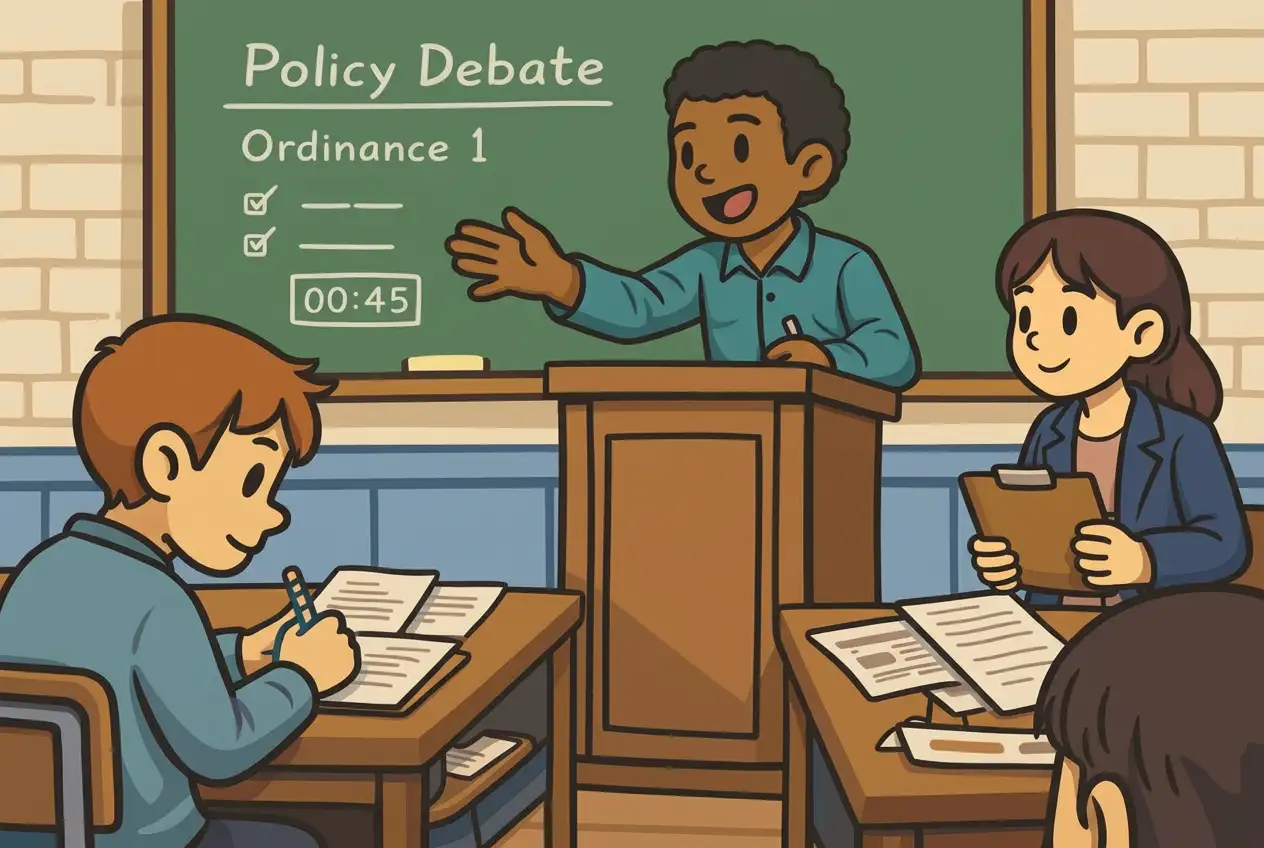
The Game Flow
These steps outline how The Civics Game works, showing how students progress through phases of learning and leadership.
Phase 1: Citizenship
Roles
Citizen

Journalist
Steps
- Student completes 3 activities and is promoted to Citizen.
- Complete profile setup
- Make 1 public activity post
- Complete Course 1: EPLS 101 – Democracy and the American Electoral Process
- Citizen chooses between the Party Member or Journalist path.
- Each classroom benefits from at least one Journalist to report on Campaigns, moderate Debates, and keep citizens informed about city issues.
Phase 2: Party Roles
Roles
Party Organizer
Candidate
Steps
- Citizen on the Party Member path joins a Party, then chooses whether to:
- Run for Party Organizer
- Become a Candidate, and then a Party Nominee
- Remain a Citizen (voter and party supporter)
- To become a Party Organizer, a Citizen completes 4 tasks and wins the internal election.
- Publish at least 2 articles promoting party values, candidates, or achievements
- Complete Course 2: EPLS 201 – Navigating the Path to Candidacy
- Create a Party Poll to engage members or set direction
- Publish a Party Platform Proposal
- Win internal Party Leadership Election
- Party Organizer sets party platform, and moderates party members and issues
- To become a Party Nominee, a Citizen completes 4 tasks and wins the Primary Election.
- Join a political party
- Complete Course 2: EPLS 201 – Navigating the Path to Candidacy
- Submit a Candidate Petition
- Earn 3 likes on petition post
- Win the Primary Election
- Candidates represents their party in the classroom election for Council Member or Mayor
Phase 3: Electoral Power
Roles

Council Member
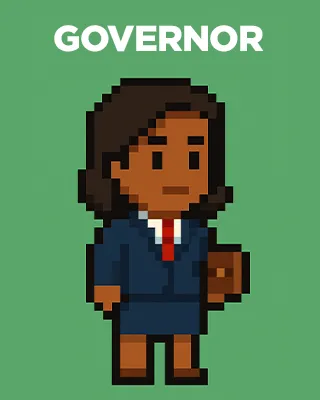
Mayor
Steps
- To become a Council Member or Mayor, a Candidate completes 3 tasks and wins the Classroom Election.
- Post a proposal for a new ordinance or community project
- Answer 3 questions or comments from citizens about the proposal
- Participate in a classroom debate for Council or Mayoral candidates
- Win the General Election (Council Member or Mayor)
- Once elected, the City Council and Mayor form a City Government. They then engage in the legislative process by creating and debating policy proposals, and voting them into law.
Frequently Asked Questions
Answers to the most common questions about The Civics Game.
What is The Civics Game?
The Civics Game is a web-based classroom game that lets students learn how democracy works by running campaigns, voting, and leading their class community.
Who is the game for?
It’s designed for middle and high school classes, where teachers and students play together to explore local government and civic leadership.
How do students play and learn?
Students take on civic roles, join parties, and make decisions that turn their class into a working model of local government.
What happens during an election?
Students form parties, campaign for votes, and elect classmates to lead as Mayor or Council Members.
How do teachers use it in class?
Teachers set up the class game, use the built-in EPLS 101 and EPLS 201 courses, and guide students through campaigns and elections.
What technology is required to play?
The game works on any laptop, tablet, or school computer through a web browser. No downloads or special software required.
Is student data private and secure?
Yes, all student information stays within the classroom and is visible only to the teacher, keeping every account private and secure.